
HOLY DAYS
FROM TRADITION TO TRUTH.
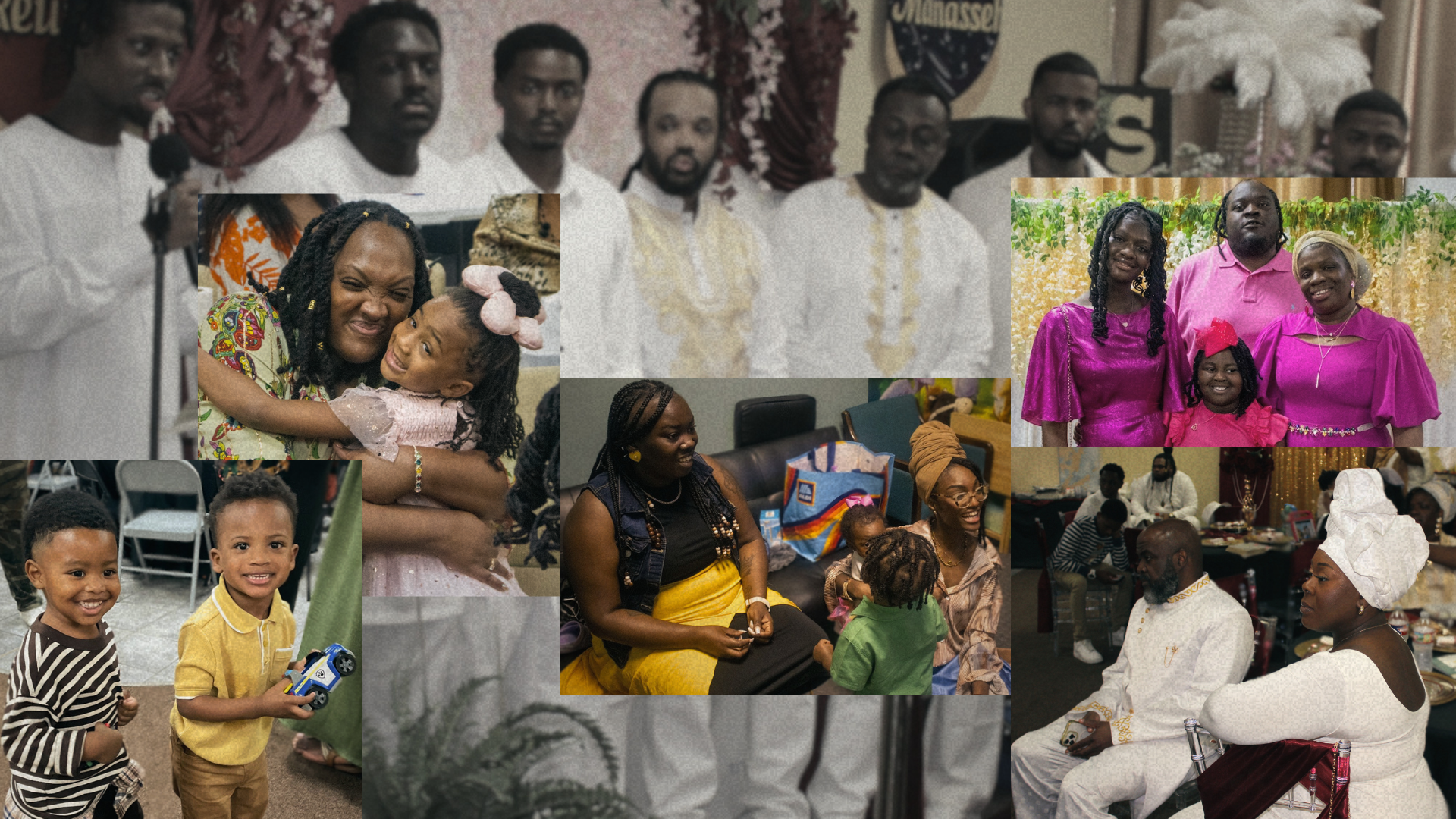
Why do we celebrate the Feasts of the Lord?
After generations of following traditions not found in Scripture, we are returning to the appointed holy days of the Most High. These biblical feasts reveal His plan of salvation, point to Christ, and teach us to walk in His commandments.
Our Foundation
What Do the Scriptures Teach About the Holy Days?
01
The Scriptures reveal why the Most High established His appointed times, and why His people are called to observe them.
The Most High Commanded Us to keep His Feasts
The Lord gave his people his feasts as holy convocations forever.
Leviticus 23:1-4
“And the LORD spake unto Moses, saying, 2 Speak unto the children of Israel, and say unto them, Concerning the feasts of the LORD, which ye shall proclaim to be holy convocations, even these are my feasts. 3 Six days shall work be done: but the seventh day is the sabbath of rest, an holy convocation; ye shall do no work therein: it is the sabbath of the LORD in all your dwellings. 4 These are the feasts of the LORD, even holy convocations, which ye shall proclaim in their seasons.”
02
Christ Kept Them
Christ kept the feasts from his childhood and continued the pattern his Heavenly Father established.
Luke 2:41-42
41 “Now his parents went to Jerusalem every year at the feast of the Passover.” 42 “And when he was twelve years old, they went up to Jerusalem after the custom of the feast.”
Matthew 26:17-19, John 10:22-23, John 7:2,10-14
03
The Apostles Continued
The apostles observed the feasts faithfully before and after Christ’s resurrection.
Acts 2:1
“And when the day of Pentecost was fully come, they were all with one accord in one place.”
Luke 22:7-15, Acts 20:6, Acts 18:21, Acts 20:16, Acts 27:9, 1 Corinthians 5:7-9
04
They point to Christ
Every feast point to Christ and reveals another part of The Most High's plan—from Christ’s sacrifice and resurrection to his return and everlasting Kingdom.
Colossians 2:16-17
16 “Let no man therefore judge you in meat, or in drink, or in respect of an holyday, or of the new moon, or of the sabbath days: 17 Which are a shadow of things to come; but the body is of Christ.”
1 Corinthians 5:7, 1 Corinthians 15:20-23, John 6:35, Matthew 24:31, John 2:19-21
05
They will continue in The Kingdom
In the kingdom to come, all nations will keep the feasts before Christ.
Zechariah 14:16
“And it shall come to pass, that every one that is left of all the nations which came against Jerusalem shall even go up from year to year to worship the King, the Lord of hosts, and to keep the feast of tabernacles.”
Isaiah 2:2-4, Isaiah 66:22-23, Revelation 21:3, Revelation 22:3-5
Key Scripture
THREE TIMES
A YEAR.
The Most High commanded Israel to appear before Him three times each year for the Passover, the Feast of Weeks, and the Feast of Tabernacles.
Deuteronomy 16:16
“Three times in a year shall all thy males appear before the Lord thy God in the place which he shall choose; in the feast of unleavened bread, and in the feast of weeks, and in the feast of tabernacles: and they shall not appear before the Lord empty:”
The Lord’s Appointed Times
Throughout Scripture, the Most High established appointed times for His people—days of remembrance, deliverance, worship, and prophecy that reveal His plan and point us to Christ.
01
Passover
The Lamb of God
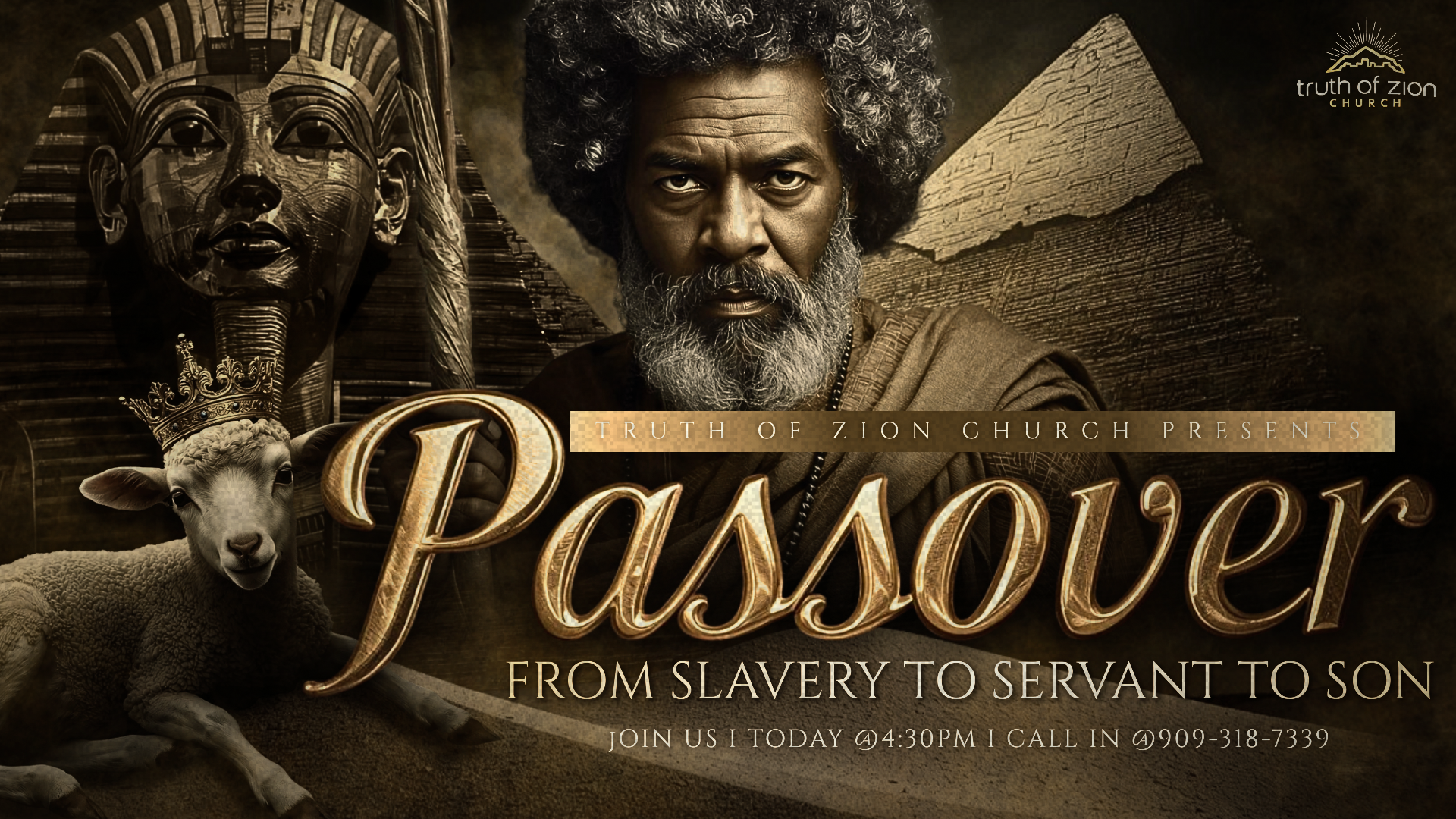
Passover commemorates the Lord's deliverance of Israel from Egyptian bondage. Before the final plague, The Lord commanded Israel to sacrifice an unblemished lamb and place its blood upon their doorposts. The homes marked by the blood were spared from judgment, and Israel began its exodus from Egypt. This Holy Day foreshadows Christ, the true Passover Lamb, through whom redemption is found.
Exodus 12:1-14
02
Unleavened Bread
A Life Without Sin
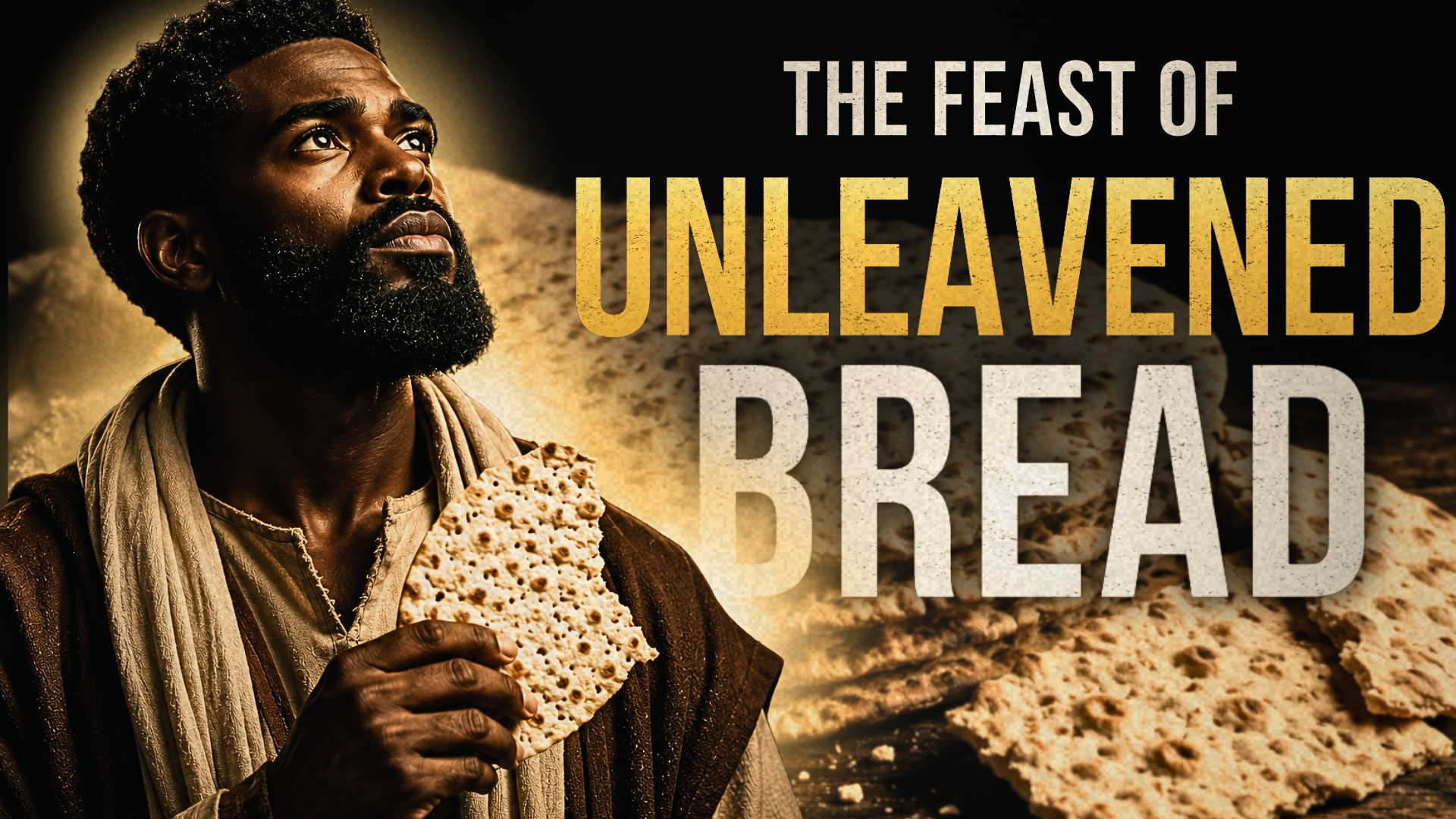
The Feast of Unleavened Bread is a seven-day feast that follows Passover, commemorating Israel's hurried departure from Egypt when there was no time for their bread to rise. During this feast, The Lord commanded Israel to remove all leaven from their homes, symbolizing the putting away of sin and the pursuit of a holy life before Him.
Exodus 12:15-20
03
First Fruits

The First of the Harvest
The Feast of First Fruits is observed seven Sabbaths after Passover, which is why it is also called the Feast of Weeks. Because it falls on the fiftieth day, it is also known as Pentecost. On this day, Israel presented the first and best of their harvest to the Levite priests as a freewill offering to the Lord. This feast foreshadowed Christ, the first fruits of the resurrection, and reminds The Most High's people to honor Him by offering their best in faithful service.
Leviticus 23:15-22
04
The Blowing of Trumpets
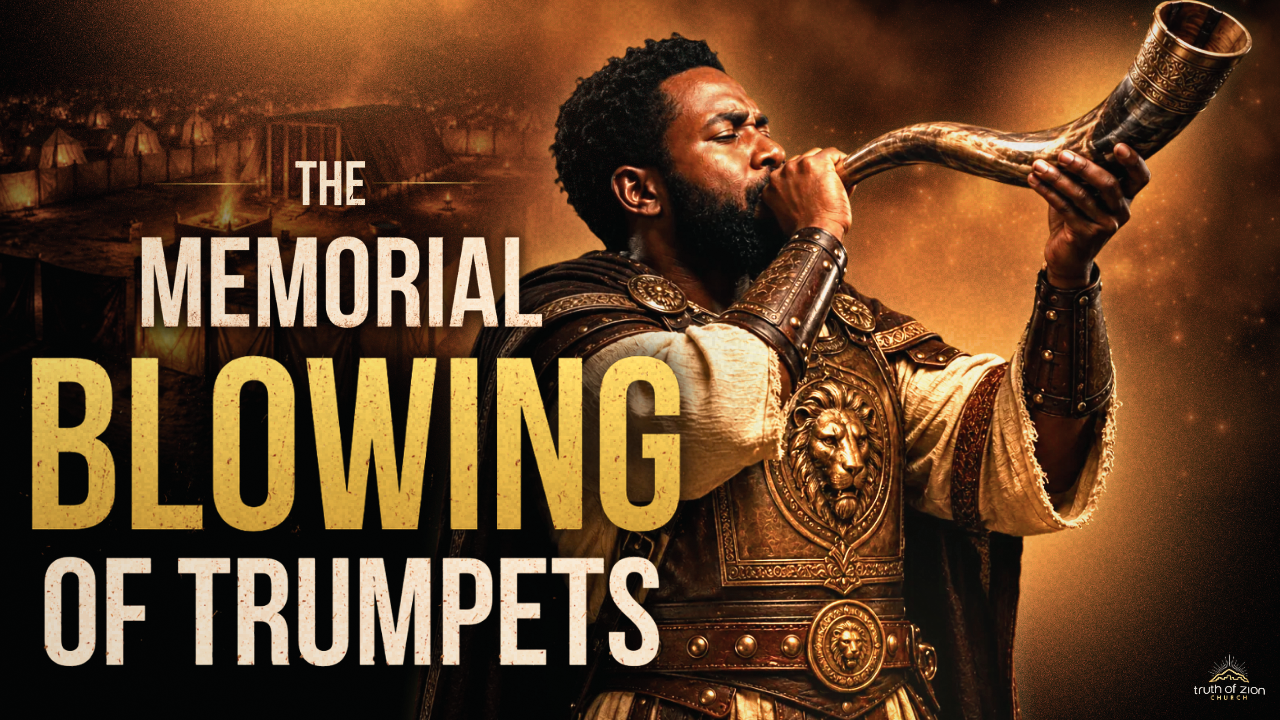
The King’s Return
The Memorial Blowing of Trumpets, also known as the Feast of Trumpets, commemorates the blowing of the shofar as commanded by the Most High God. In Israel, trumpets were used to gather the people, sound an alarm, and mark the appointed times. Today, the trumpet represents a spiritual call to proclaim the Lord’s Word, awaken the elect, and prepare for the return of Christ.
Leviticus 23:23-25
05
The Day of Atonement
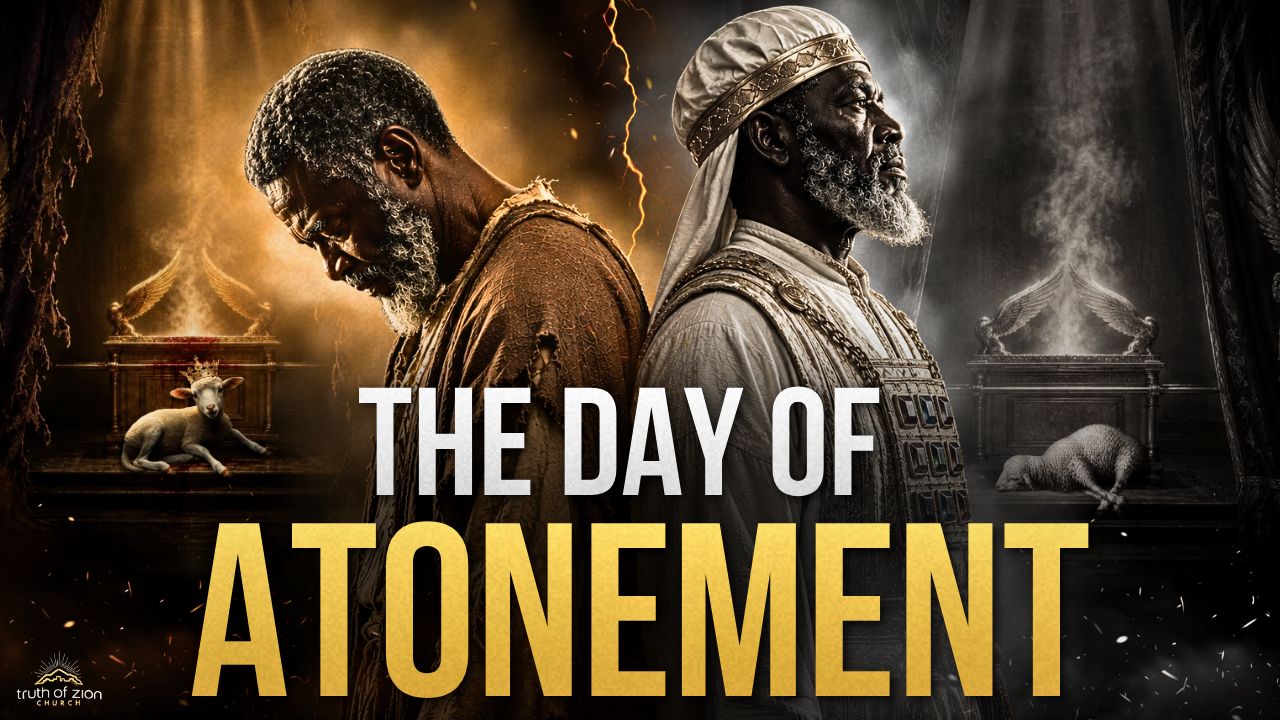
A Day of Reconciliation
On the Day of Atonement, Israel offered sacrifices to make atonement for sin. Today, Christ is our ultimate sacrifice, and we honor this solemn day by humbling ourselves through prayer and fasting, seeking forgiveness and reconciliation.
Leviticus 16:29-34
06
The Feast of Tabernacle

Christ Dwells with His People
The Feast of Tabernacles is a seven-day celebration commemorating Israel’s journey through the wilderness after being delivered from Egypt. During this feast, The Most High commanded His people to dwell in tents or booths, remembering how He sustained and protected Israel throughout their journey. Today, we observe this feast as a time of rejoicing, remembrance, and looking forward to Christ dwelling with His people.
Leviticus 23:33-43
07
The Feast of Dedication
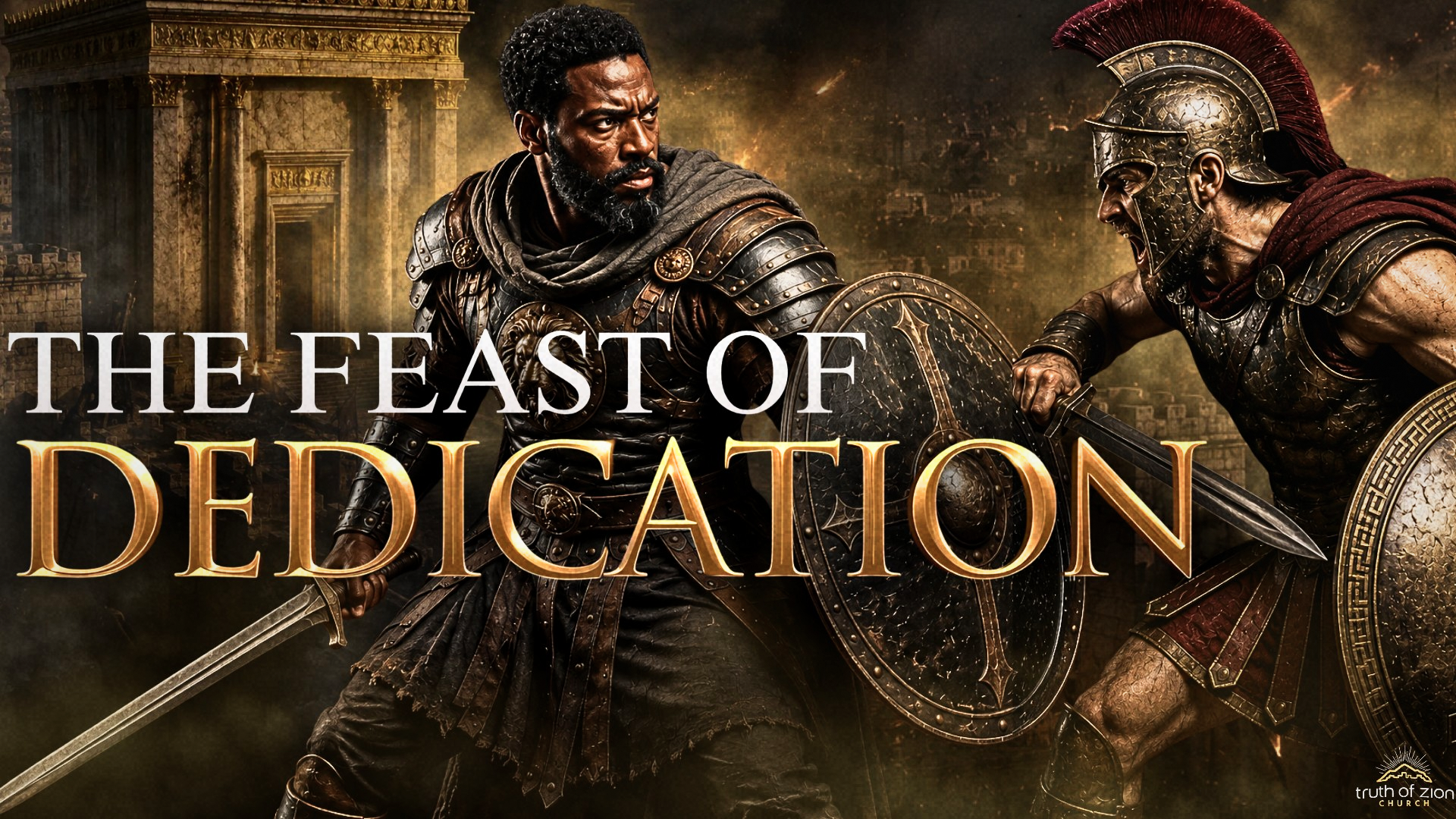
The Restoration of the Temple
The Feast of Dedication remembers Israel’s struggle under Greek oppression. King Antiochus Epiphanes force Israel to abandon The Most High’s laws and adopt Greek customs, leading to the defiling of the Temple. Judas Maccabeus and his brothers rose against the Greeks, reclaimed Jerusalem, and cleansed and rededicated the Temple to the Most High God. Today, we understand that we are the temple of God, and just as Judas Maccabeus and his brothers devoted themselves to restoring the Temple, we are now called to cleanse ourselves from the ways of the world and devote our lives to Christ.
1 Maccabees 4:52-59
08
The Feast of Purim
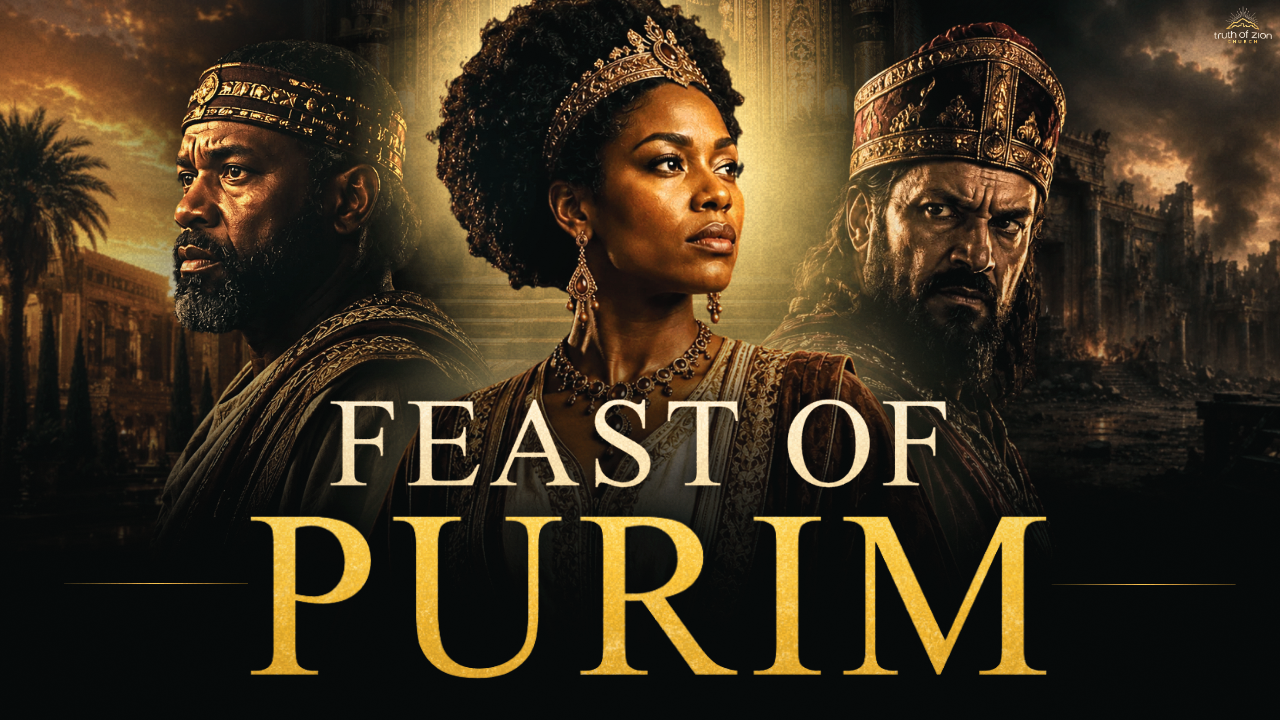
Preserved for a Purpose
Purim follows the story of our foremother Queen Esther, who became the wife of the Persian king, Ahasuerus. During Israel’s captivity under the Persians and Medes, Haman sought to destroy the Jews after Mordecai refused to bow before him. Guided by Mordecai, Esther courageously approached the king on behalf of her people, exposing Haman’s wicked plot and bringing deliverance to the Jews. This great deliverance points us to Christ, our ultimate deliverer, who saves His people from sin and death. Purim reminds us of the Most High’s faithfulness and His power to preserve His people in the face of destruction.
Esther 9:22